

Phototherapy Device for Neonatal Jaundice (Fall 2026)
The Challenge
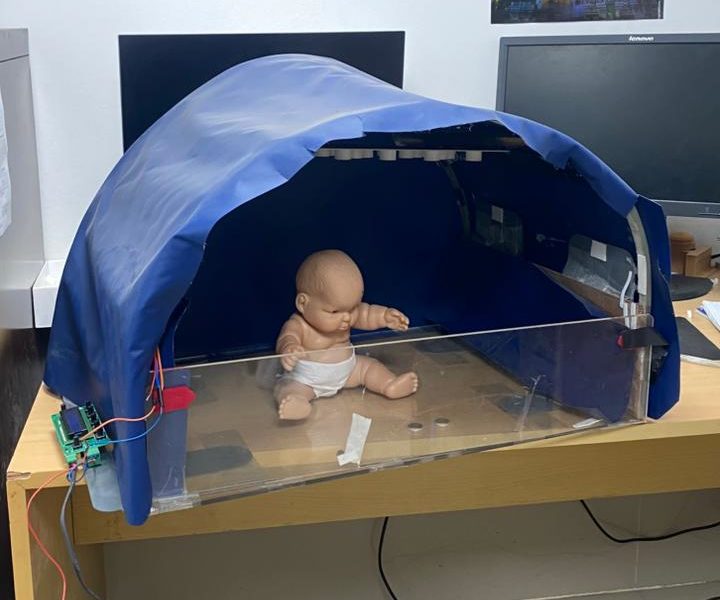
Neonatal jaundice affects 29.3 per 1,000 live births in rural Nepal, accounting for 34% of all neonatal hospital admissions. Untreated, elevated bilirubin causes kernicterus, leading to irreversible brain damage. Yet rural health posts face a 64% worse treatment outcome than urban facilities, not because of a lack of clinical knowledge, but because of a lack of devices. Existing phototherapy units are expensive due to import duties, intolerant of power fluctuations, and impossible to service locally. NIC has built a proof-of-concept prototype and now needs a team to take it to a near-final, validated product.
What You Will Work On
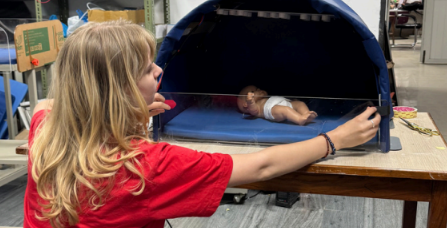
You will develop a near-final phototherapy prototype ready for clinical validation and pre-manufacturing testing. This means optimizing the therapeutic blue-light LED array for the correct irradiance at the correct wavelength, designing thermal management to protect both the infant and the electronics, engineering a power system resilient to grid fluctuations, and creating an enclosure that is cleanable, durable, and manufacturable in Nepal. User-interface design for nurses working in high-stress, low-resource settings is a key component.
Technical Challenges
Phototherapy efficacy depends on precise spectral output and consistent irradiance over the treatment area, both of which degrade with heat, requiring careful thermal design. Power reliability in off-grid or unstable-grid environments demands robust power path management. Meeting infection control standards with locally available materials, and navigating the regulatory requirements for a medical device, add further layers of complexity.
Our Partners

The Impact
A deployable, affordable phototherapy device in rural health posts could prevent hundreds of cases of permanent neurological damage every year. It reduces the need to transfer fragile newborns to distant hospitals and strengthens the capacity of Nepal’s rural healthcare infrastructure to manage neonatal emergencies independently.