

TrachTrak: Airflow Analyzer for Tracheostomy Patients (Fall 2026)
The Challenge
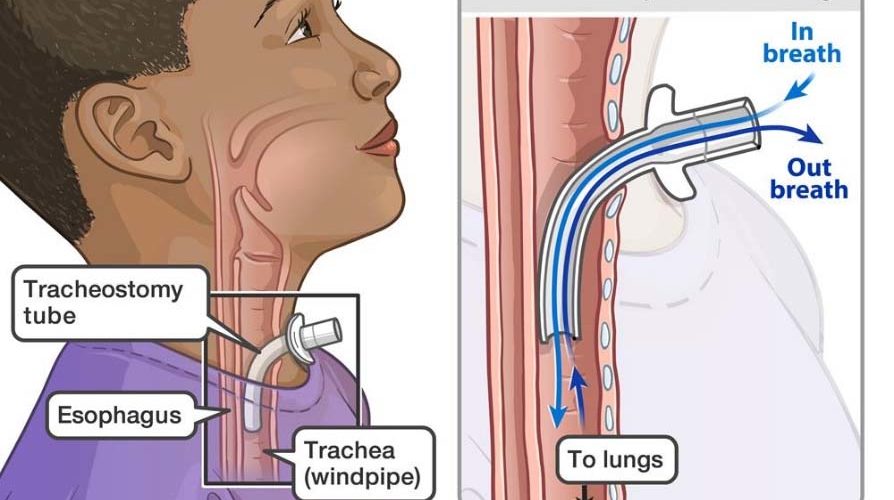
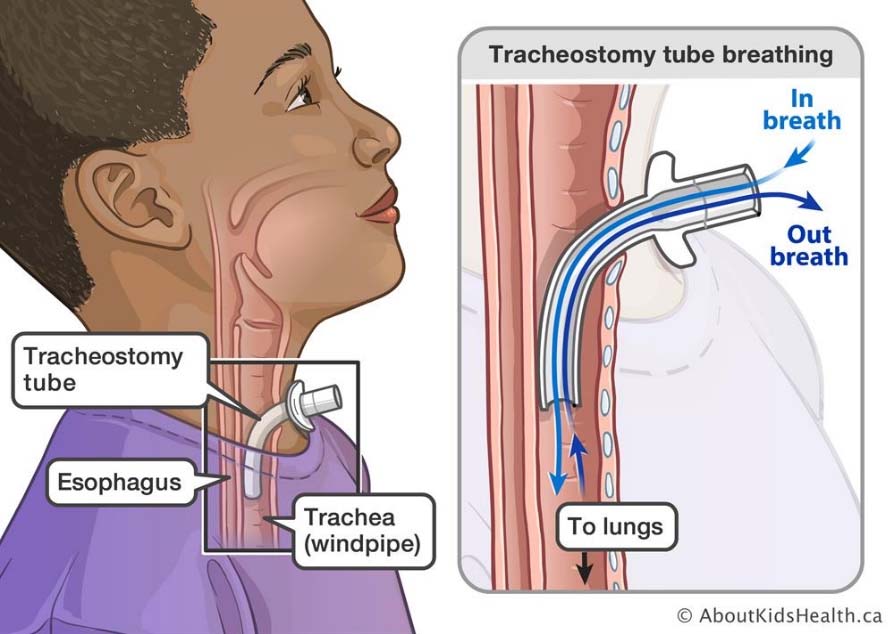
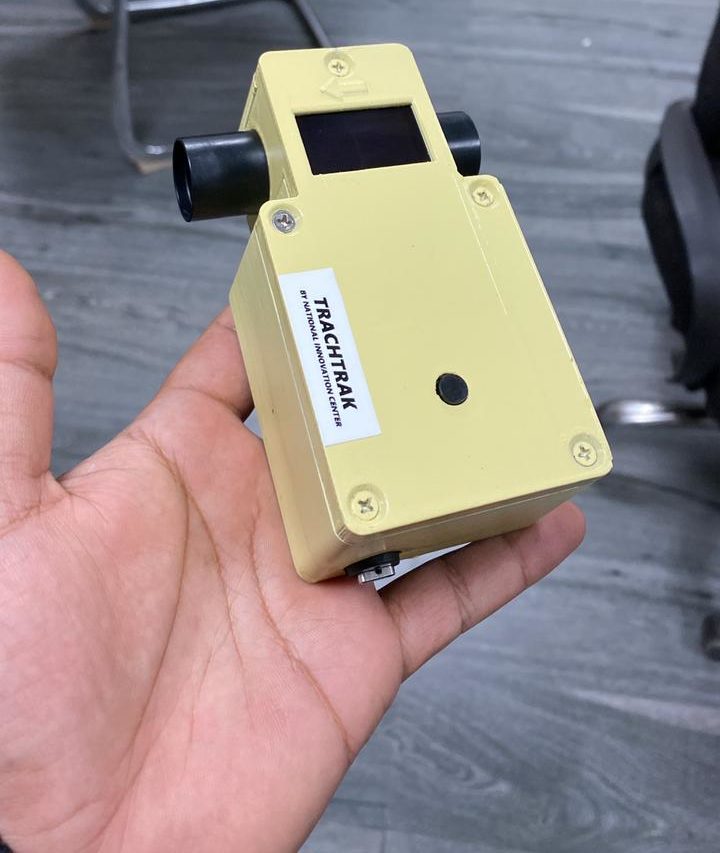
Tracheostomy procedures are increasingly performed on children in Nepal, and a growing number of these patients are cared for at home. Determining when to suction the airway is a critical clinical decision: done too rarely, secretions block the airway; done too often, it causes unnecessary trauma. Currently, this decision relies entirely on subjective observation of speech, cough quality, and breathing sounds, a method that varies with each clinician and carries significant risk in emergencies. NIC has built a working prototype that measures peak inflow and outflow over five breath cycles, but it is built on development boards and does not meet any form-factor, power, or safety standard required for clinical use.
What You Will Work On
You will redesign the TrachTrak from a functional demonstrator into a near-clinical-grade handheld device. This means moving from dev boards to a custom PCB with appropriate form factor, replacing the 3D-printed acrylic-painted enclosure with a design that can be properly disinfected, and overhauling the firmware from a basic demo into a reliable, safe embedded system. Power path management and safety circuitry must be redesigned to meet medical-grade requirements. Calibration and testing protocols against known airflow references are a required deliverable.
Technical Challenges
Achieving consistent measurement accuracy for very low airflow rates in a handheld, battery-powered form factor is non-trivial. Infection control requirements mandate that any part in contact with the patient airway be either fully autoclavable or single-use, which shapes the entire mechanical and material design. Regulatory pathways for a medical device in Nepal require careful documentation and design decisions from the very start.
Our Partners

The Impact
An objective, affordable airflow assessment tool allows caregivers and nurses — regardless of experience level, to make evidence-based suctioning decisions. This reduces respiratory complications, shortens hospital stays, and improves the quality of home care for a vulnerable and underserved patient group.