

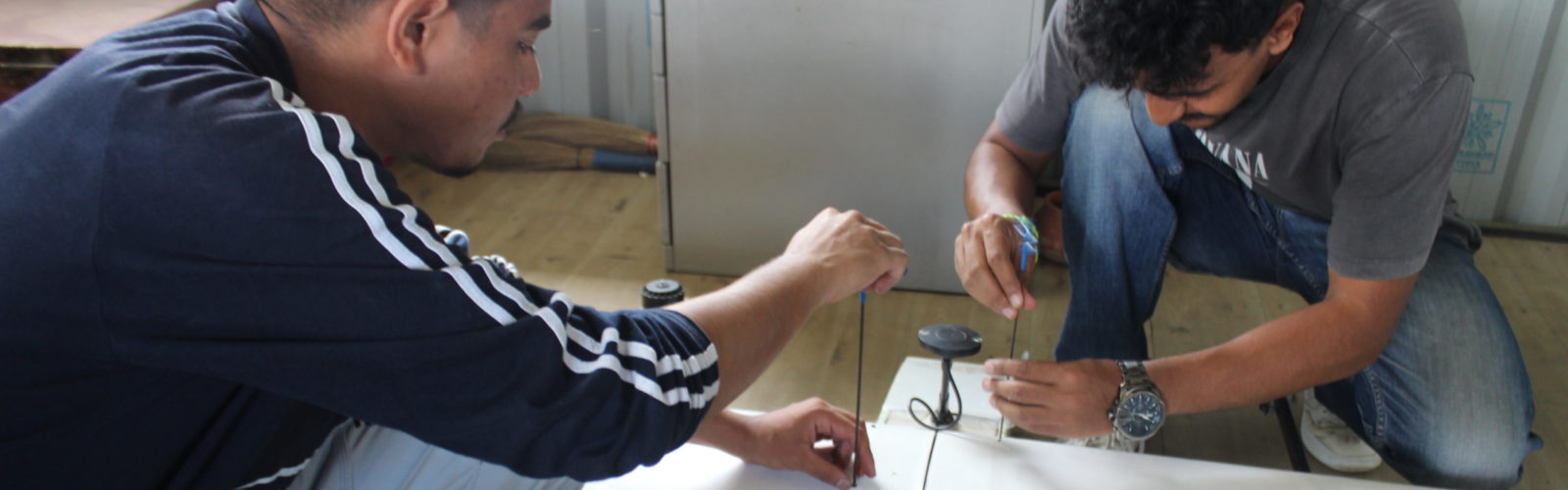
Cellular Drone Communication Module (2021 Fall)
The Challenge
Rural areas in Nepal suffer from poor accessibility due to extreme geography, making the delivery of urgent medicine difficult. While delivery drones offer a solution, current radio links are often blocked by physical obstructions like mountains and are restricted by legal limits on transmission power.
Our Solution
Students designed a communication system that utilizes existing 2G/3G/4G cellular networks to control drones Beyond Visual Line of Sight (BVLOS). This allows operators to maintain a reliable connection with the aircraft even when it flies behind large obstacles or into deep valleys.
How It Works
Standard radio links used by NIC had a maximum range of only a few kilometers. The new cellular substitute uses the MAVLink protocol and Pixhawk hardware to transmit live sensory data and flight commands. As 4G coverage expands across Nepal, this module provides a long-term, viable way to manage remote medical logistics.


The Outcome
This technology enables medical drones to reach the 33% of villages currently cut off from healthcare. By maintaining constant communication across the country, the project strengthens the supply chain for life-saving medicines.