

Frugal Phototherapy Device for Neonatal Jaundice (2025 Spring)
The Challenge
In Nepal, jaundice is a very common condition for newborns, but many rural areas do not have the right medical facilities to treat it. Because electricity is often unreliable and medical infrastructure is limited, babies are usually sent to distant city hospitals for treatment. This delay can lead to dangerously high levels of bilirubin, which can cause permanent brain damage or other serious health problems.
Our Solution
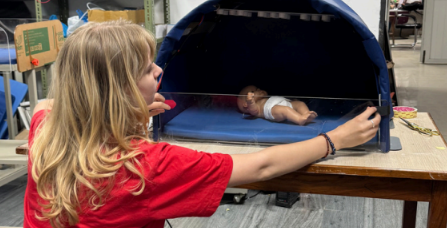
As part of the “Frugal Warriors” team at the National Innovation Centre (NIC), an intern developed a simple and affordable phototherapy device specifically for low-resource settings. The device is designed to be effective even when power is inconsistent and is easy for nurses to clean and maintain. By using 3D rendering and physical prototyping, the team created a version that is portable and safe for small clinics.
How It Works
The project began with deep research into existing medical standards and interviews with pediatricians and neonatal nurses. The development process involved creating several prototypes that included LED-based light therapy and electric heating mats to prevent hypothermia. Testing the device with real nurses via Zoom and in person was a vital part of the design process, ensuring that the interface was easy to use even in stressful hospital situations.


The Outcome
This project provides a way to increase the treatment of jaundice directly at local health posts, reducing the need to send babies to far-away hospitals. By making treatment available immediately, the device helps prevent permanent conditions like kernicterus and improves the survival rate of newborns in the most isolated regions of Nepal.