

Project SunNest (Fall 2026)
The Challenge
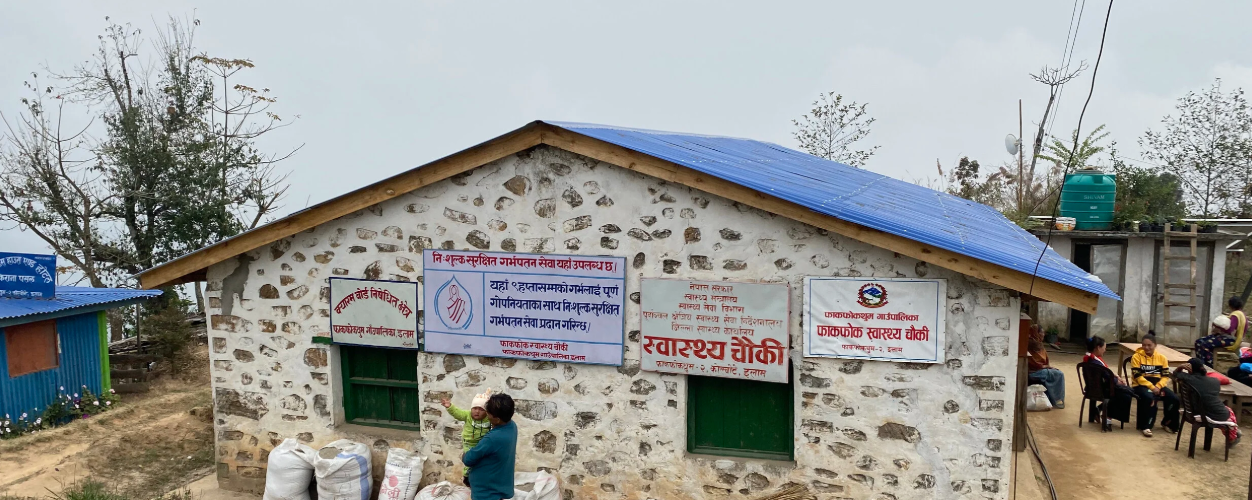
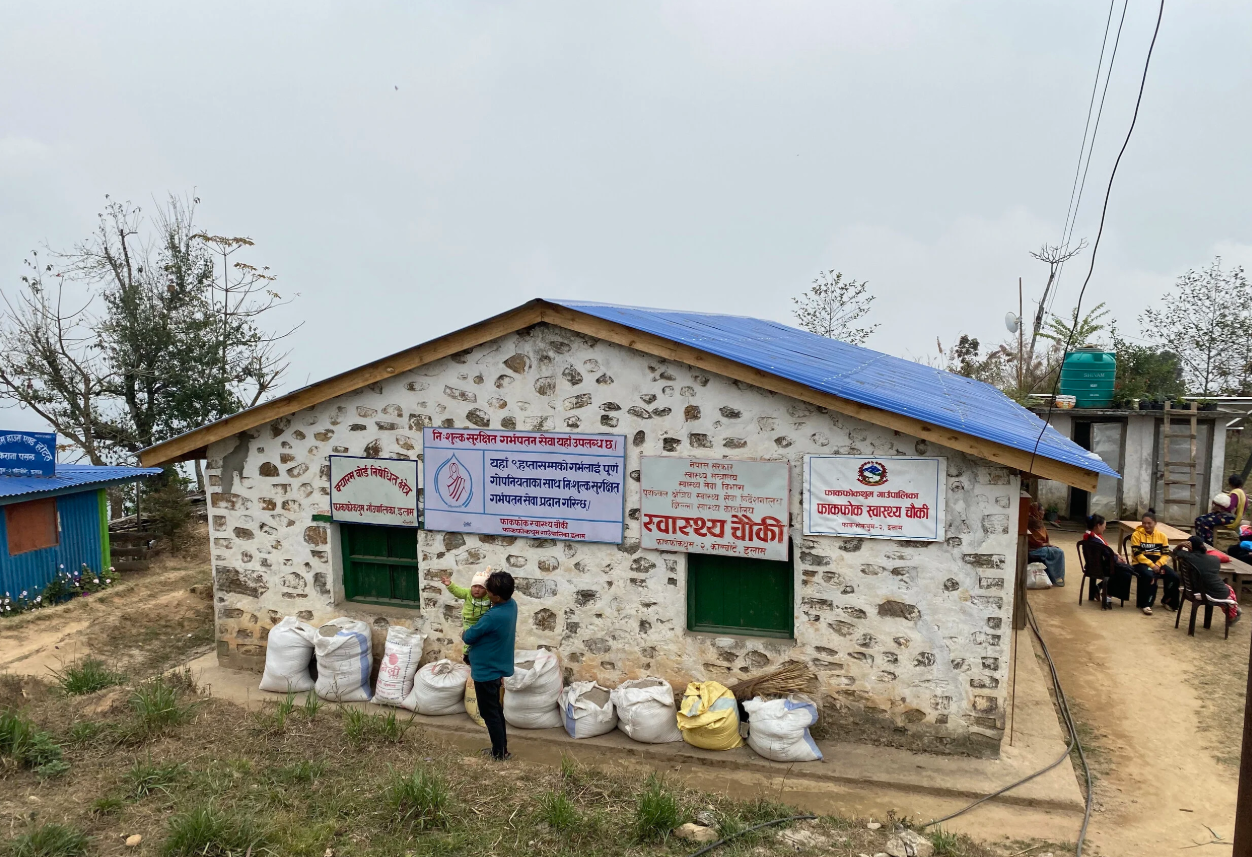
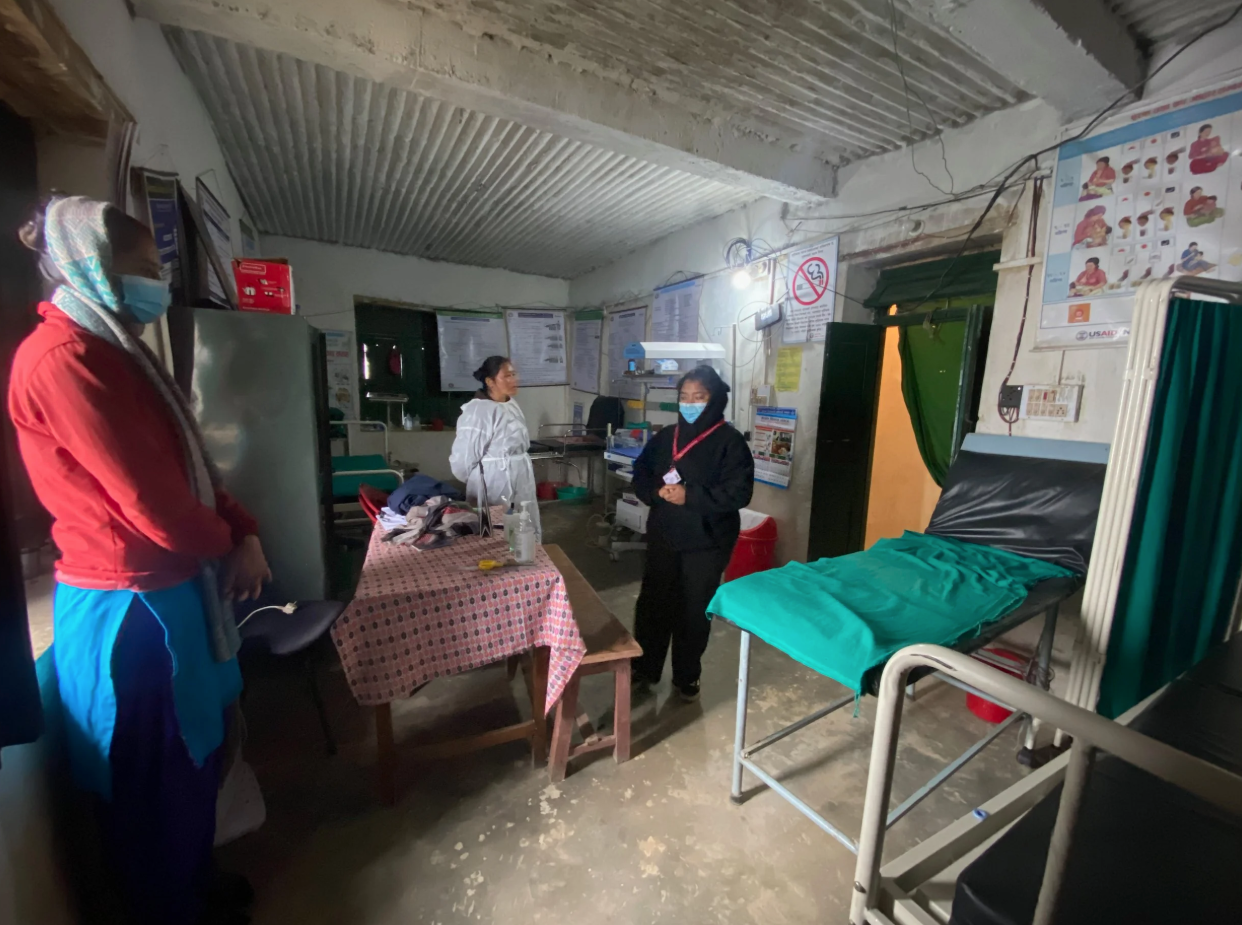
In Nepal’s high-altitude hilly regions, rural birthing centers operate in indoor temperatures as low as 2°C in winter, with mountain zones dropping to −10°C, while relying on unreliable or absent grid electricity. These conditions put mothers and newborns at direct risk of hypothermia, discourage women from seeking institutional care, and reduce staff effectiveness. Existing facilities are small, basic structures built from stone masonry or brick with tin or RCC roofs. An MIT D-lab team previously explored a solar thermal water heater solution but could not complete testing. The groundwork exists; what is missing is a deployable, scalable design.
What You Will Work On
You will design one or more passive heating solutions using solar gain, thermal mass, insulation, and natural ventilation, without reliance on electricity. For existing facilities, the focus is on a retrofittable system that can be transported to remote locations and installed without specialist contractors. For students from civil or architecture backgrounds, the project also welcomes integrated design proposals for new-build facilities. The solution must be cost-effective, durable, maintainable with local materials and skills, and appropriate for the specific spatial and cultural context of Nepal’s rural health posts.
Technical Challenges
Nepal’s birthing centers vary significantly in size, orientation, construction, and altitude, so no single solution can assume uniform conditions. Quantifying thermal performance without sophisticated instrumentation, selecting materials that are both effective and locally procurable, and designing for logistics over mountain terrain are the defining constraints. Balancing insulation against ventilation requirements for hygiene adds a further layer of complexity.
Our Partners

The Impact
Effective passive heating directly reduces neonatal and maternal hypothermia risk, increases institutional birth attendance, and improves staff retention in remote facilities. It contributes to Nepal’s broader goals around maternal health, energy equity, and climate-resilient healthcare infrastructure, without adding to operational costs.