

Wildlife Collar Dropoff (Fall 2026)
The Challenge
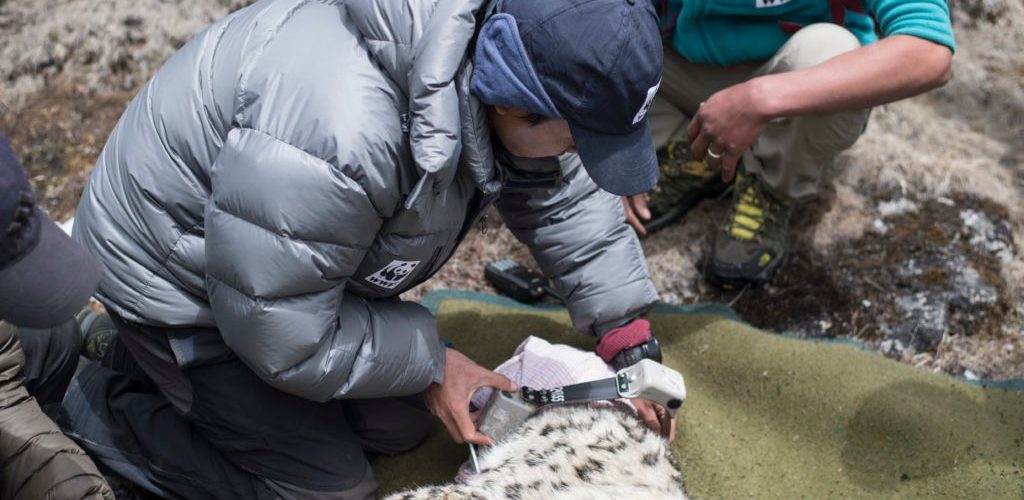
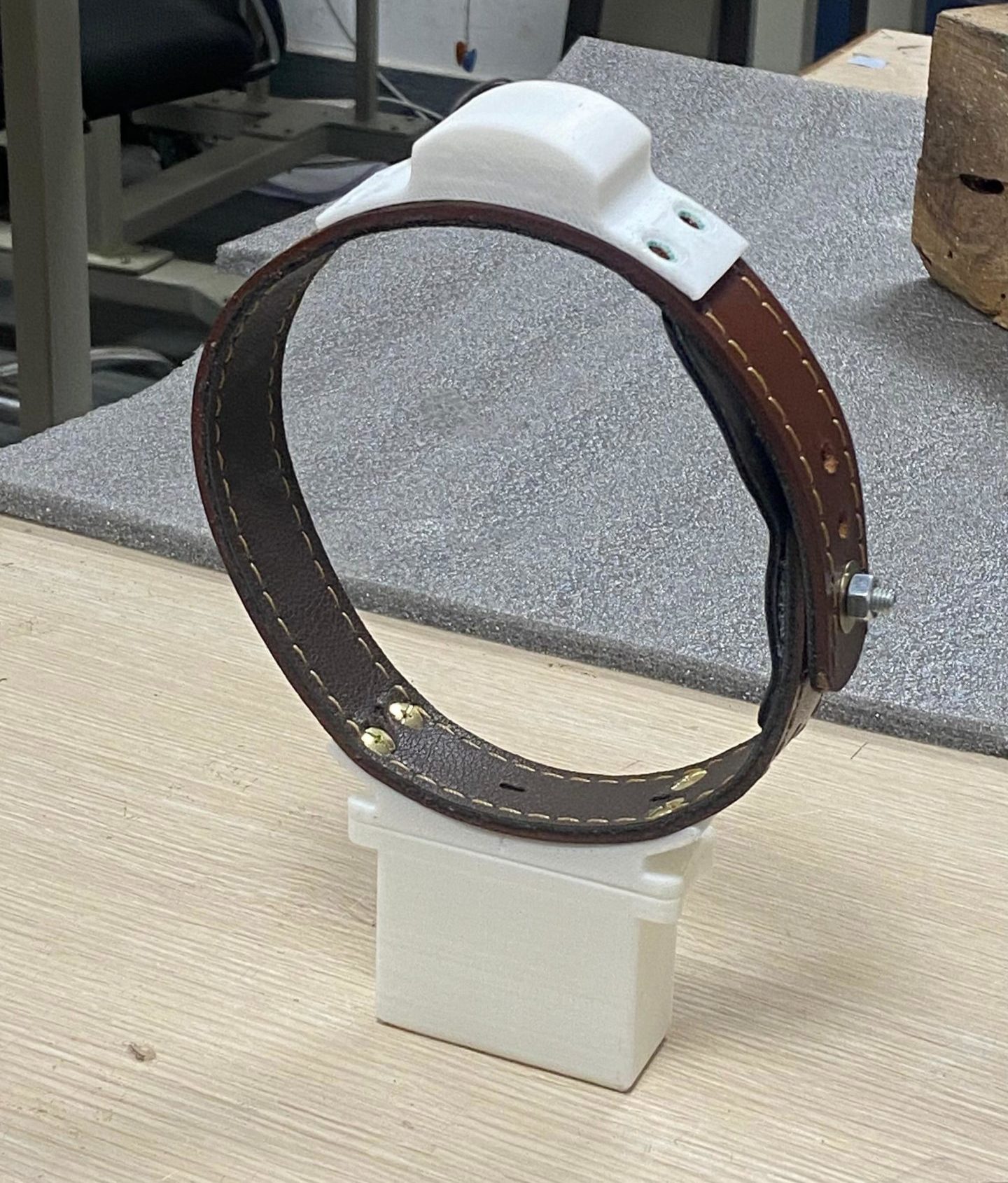
Studying high-mobility predators like leopards in Nepal requires GPS collars that can be recovered for reuse. Today, retrieving a collar means chemically immobilizing the animal a second time: a stressful, dangerous procedure that is often logistically impossible in Nepal’s terrain and carries real risk to the animal. An electronic drop-off mechanism that releases the collar on command or on a timer would eliminate this entirely, making wildlife research safer, cheaper, and more sustainable. NIC has deployed a first collar prototype on a dog and is now ready to tackle the drop-off problem in earnest.
What You Will Work On
You will explore and compare viable drop-off mechanisms, with initial focus on low-power heating elements and fusible links, which offer simplicity and local manufacturability over complex mechanical designs. You will develop one or more functional prototypes, evaluate them side by side, and produce documented test results. The solution must withstand months of deployment on fast-moving animals in varied outdoor environments, trigger reliably on command or at a set time, and include a fallback RF beacon to locate the dropped collar when primary communication is unavailable.
Technical Challenges
Reliability is the central engineering challenge. False triggers or structural failures in the field are unacceptable. The mechanism must survive vibration, moisture, and temperature extremes while remaining manufacturable in Nepal without precision machining. Balancing power consumption for long deployments with trigger responsiveness, and ensuring the system degrades gracefully rather than failing silently, demands rigorous design and testing.
Our Partners

The Impact
Successful retrieval without re-immobilization improves animal welfare, dramatically increases collar reuse rates, and makes long-term predator monitoring viable in resource-constrained settings. This enables better conservation data for Nepal’s endangered wildlife and sets a precedent for affordable, locally produced research tools.